

In environment, in a time when exactness and precision are of utmost importance, the role of a land surveyor has never been more critical. Surveyors are the overlooked heroes of various projects, making certain that the foundational aspects of construction and land development are built on solid ground, in both a literal and figurative sense. Regardless of whether it's evaluating property boundaries, performing land surveys, or offering vital data for construction plans, surveyors blend creativity with technical skills in their work.
Comprehending what a surveyor does is crucial for everyone involved in property transactions or development projects. From helping clients work through the complexities of zoning ordinances to using advanced technology to secure precise measurements, surveyors play an important part in ensuring that every project advances smoothly. In this thorough guide, we will examine the various types of surveyors, the benefits of hiring a qualified professional, and the critical factors to consider when selecting the best surveyor for your needs. Let’s delve into the world of surveying and uncover the essential contributions these professionals make to our communities and the constructed environment.
Grasping the Importance of Land Surveyors
Land surveyors play a critical part in land development, construction, and property transactions, ensuring that projects are constructed efficiently and comply with regulations. Their primary responsibility is to measure and map land, providing exact information about land boundaries, landforms, and other important features. This information helps designers, technical experts, and builders make educated decisions during the planning and execution stages of various projects.
In addition to just measuring land, surveyors are crucial in conducting assessments related to property transactions. They create detailed reports that outline findings, including lot dimensions and infrastructure assessments. These reports are critical for buyers, vendors, and lenders, providing assurance about the legality and feasibility of the real estate in question. Having an exact survey can avoid disputes between neighbors and simplify the buying or selling process.
With the incorporation of advanced technology, such as GPS and GIS, surveyors have improved their accuracy and workflow efficiency. These technologies allow them to gather and analyze data with notable accuracy, which is essential for creating trustworthy survey reports. As the industry evolves, surveyors are also adapting to emerging challenges and developments, ensuring they remain integral to real estate development and construction in diverse settings, from housing developments to large commercial projects.
Important Factors to Employ a Skilled Surveyor
Engaging a skilled surveyor is essential for ensuring accuracy in property measurements and regulatory boundaries. These professionals possess the specific training and skills required to conduct comprehensive surveys, reducing the risk of costly mistakes due to inaccuracies. Correct survey results are critical in property transactions, as they help to prevent issues that can arise from unclear boundaries or misrepresented land sizes.
Another important reason to employ a surveyor is their expertise of local regulations and requirements. A professional surveyor remains informed on zoning laws, building codes, and land use policies, which can change significantly across multiple regions. Their expertise confirms that your project adheres with all official standards, helping you avoid potential penalties or delays. This kind of advice is extremely helpful, particularly for those new to property development or construction.
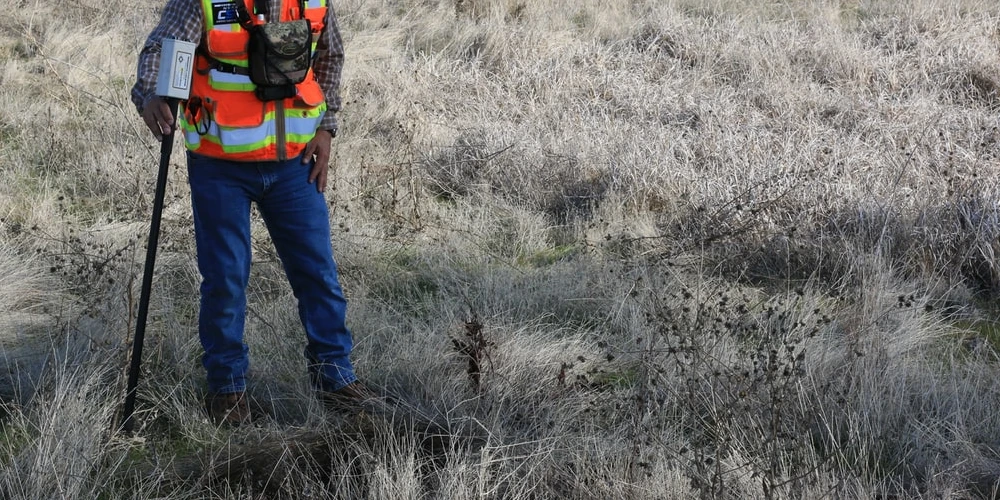
Additionally, skilled surveyors use cutting-edge technology and tools that boost the accuracy of their work. From GPS equipment to sophisticated software, these tools enable surveyors to gather and examine data efficiently. By leveraging these technologies, they can provide clients with accurate and thorough reports, making it simpler to see property dimensions and spotting potential issues before they arise. site here leads to more educated decision-making for any project.
Navigating the Surveying Procedure
Understanding the assessment process is vital for anyone involved in property development, property deals, or construction projects. The primary phase involves deciding the kind of survey you need based on the particular requirements of your project. Typical categories encompass property line surveys, topographical assessments, and project surveys, each fulfilling a specific objective. A licensed surveyor can help identify the suitable survey type and lead you through the necessary steps.
Once you have picked a surveyor, they will carry out the necessary field activities to collect data. This phase usually consists of measuring distances, outlining land features, and examining existing land records. The use of recent technology, such as GPS and drones, significantly enhances this data acquisition phase, guaranteeing greater precision and productivity. Throughout this process, interaction with your surveyor is critical to resolve any questions or uncertainties that may arise.
After the fieldwork is completed, the land surveyor will assemble their findings into a thorough report. This summary usually contains diagrams, illustrations, and explanations of the outcomes, acting as a vital piece of information for land dealings or construction planning. Examining the summary in detail and talking about it with your land surveyor is essential to guaranteeing you fully understand the effects of the results. By managing this procedure successfully, you can mitigate hazards and make informed decisions regarding your real estate.